Macular Degeneration (Photodynamic Therapy) in Chesterfield, MO
What is macular degeneration?
Macular degeneration is a progressive eye disease where central vision loss occurs as a result of damage to the macula on the inside of the eye. This damage is typically caused by aging and may be referred to as age-related macular degeneration (AMD). However, other risk factors include smoking, high blood pressure, obesity, family history of the disease, and a high saturated-fat diet. Early stages of macular degeneration often display no initial warning signs or symptoms, which is why regular comprehensive eye exams with a trained vision professional are important for maintaining your eye health. At West County Ophthalmology, we offer diagnostic tests that help identify macular degeneration, as well as treatments that help manage and slow the progression of the disease, such as photodynamic therapy. To learn more about treating and managing macular degeneration in Chesterfield or O’Fallon, MO, please contact one of our centers.
What Are the Symptoms of Macular Degeneration?
The macula is an important part of eye function; it helps send images from the optic nerve to the brain so you can see properly. When damaged, the brain may not understand the images you see. Macular degeneration, however, doesn’t display symptoms until the disease has progressed. Some common signs of macular degeneration include:
- Difficulty adjusting to lower light
- Less bright colors
- Hazy vision
- Distortions in vision
- Blind spots in vision
What Causes Macular Degeneration?
Macular degeneration is most commonly caused by aging, as the macula the part of the retina responsible for sharp central vision gradually deteriorates over time. Other contributing factors may include:
- Genetics
- Smoking
- High blood pressure
- Obesity
- Prolonged exposure to ultraviolet light
While the exact cause can vary, lifestyle and hereditary factors often play a significant role in its development.
What Are the Risk Factors for Macular Degeneration?
Understanding the risk factors associated with macular degeneration is crucial for early detection and management. Key risk factors include:
- Age: The likelihood of developing macular degeneration increases significantly with age, particularly in individuals over 50.
- Genetics: A family history of the condition suggests a higher genetic predisposition to developing macular degeneration.
- Smoking: Smoking doubles the risk of macular degeneration by affecting blood flow to the retina.
- Race: Caucasians are more prone to the condition than other races.
- Diet: Poor diet, lacking in fruits and vegetables, can contribute to the condition’s onset.
- Obesity and Inactivity: Higher body mass index (BMI) and sedentary lifestyle are linked to the progression of early and intermediate stages to advanced macular degeneration.
Awareness of these risk factors is essential for taking proactive steps toward eye health, emphasizing the importance of regular eye exams and lifestyle adjustments to mitigate the risks associated with macular degeneration.
How is Macular Degeneration Diagnosed?
Diagnosing wet or dry macular degeneration involves undergoing one or several assessments. At West County Ophthalmology, the diagnosis may include:
- Visual acuity test: This is the well-known eye chart test that evaluates central vision.
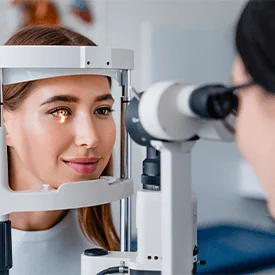
- Dilated eye exam: This procedure dilates the pupils to give your ophthalmologist a clear view of the back of your eye to check for macular degeneration indicators.
- Optical coherence tomography (OCT): A technique that employs light waves to capture detailed images of the macula.
- Fluorescein angiogram: A method that utilizes a fluorescent dye to examine the eye’s blood vessels.
How is macular degeneration treated?
At West County Ophthalmology, we often treat macular degeneration with photodynamic therapy. While photodynamic therapy is not able to restore vision already lost due to macular degeneration, it can slow the progression of the illness and help continue to preserve central vision. At this time, photodynamic therapy can only treat wet macular degeneration, which is where the damage to the macula is caused by abnormal blood vessels growing in the back of the eye. During photodynamic therapy, a light-sensitive medicine is injected and anesthetic drops will be used to numb your eyes. Your ophthalmologist will place a special lens over your eye and focus a laser on the abnormal blood vessels below your macula, causing clots to form in order to reduce the number of vessels. This will slow the leaking. You will require several follow-up procedures to check on your healing progress.
Macular Degeneration FAQ
Can I prevent macular degeneration?
You can’t prevent macular degeneration; however, a healthy lifestyle may reduce your risk. This could include:
- A diet full of fruits and vegetables
- Regular exercise
- Not smoking
- Shielding your eyes from UV lights
How does macular degeneration affect your everyday life?
It can be difficult to perform everyday tasks like reading, driving, and even recognizing faces when you have macular degeneration. However, your peripheral vision isn’t affected by macular degeneration, so it will not lead to complete blindness.
What are the risk factors involved with macular degeneration?
Some of the risk factors associated with macular degeneration include
- Age: It’s more common to develop macular degeneration after the age of 50
- Genetics: Those with a family history of macular degeneration are more likely to develop it
- Smoking: Smokers are more likely to develop this degenerative eye disease
- Race: Caucasians are more susceptible to macular degeneration
- Health: Those who are obese or have a cardiovascular disease are more likely to get macular degeneration
Seek treatment for central vision preservation
While macular degeneration often does not present early symptoms, regular comprehensive eye exams can help identify this disease early on. Early detection of macular degeneration may mean that more treatment options are available to help preserve your central vision. If you are in need of a regular check-up on your eye health or meet any of the risk factors for macular degeneration, contact one of our centers in Chesterfield or O’Fallon, MO to schedule a comprehensive exam.