Selective Laser Trabeculoplasty in Chesterfield, MO
What is Selective laser trabeculoplasty (SLT)?
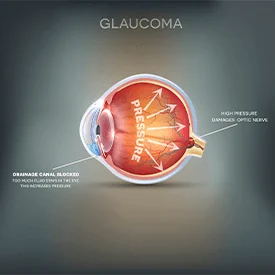
One of the most common laser surgeries performed for open-angle glaucoma is selective laser trabeculoplasty (SLT). Glaucoma causes fluid buildup in the eye, leading to rising intraocular pressure, damage to the optic nerve, and vision loss. SLT is designed to help control and/or reduce intraocular pressure by getting fluids to drain more effectively from the eye. This procedure can lower intraocular eye pressure by up to about 25% in many patients. Our vision experts at West County Ophthalmology perform this minimally invasive laser procedure as well as many other procedures to manage intraocular pressure and slow the progression of glaucoma. If you have been diagnosed with glaucoma, contact one of our facilities in Chesterfield or O’Fallon, MO to learn more about your treatment options including selective laser trabeculoplasty.
How is SLT performed?
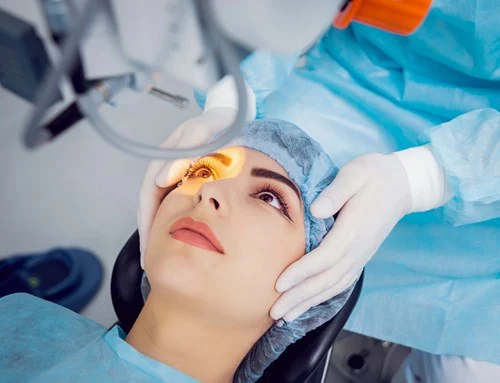
The selective laser trabeculoplasty (SLT) procedure is typically performed on an outpatient basis. Prior to beginning your treatment, your ophthalmologist will numb your eyes with anesthetic drops so that you feel minimal discomfort. From there, the ophthalmologist will hold a special lens over your eye and target your trabecular meshwork between the lens and iris with the laser. You may see bright flashes of light but should experience very minimal pain. When completed, the treatment should result in better fluid drainage from your eye’s trabecular meshwork.
Your ophthalmologist will schedule one or more follow-up appointments to check on your healing progress and measure your intraocular pressure. Some patients are able to discontinue glaucoma medications after SLT; your ophthalmologist will verify if this option is available to you in the weeks following your surgery.
What Are the Benefits of SLT?
SLT offers a safe and effective way to manage open-angle glaucoma by reducing intraocular pressure through a minimally invasive laser procedure. This treatment enhances the eye’s natural fluid drainage, making it a great alternative for patients who have difficulty with medications. Benefits include:
- Quick, minimally invasive procedure with no need for incisions
- Reduced intraocular pressure without daily medications
- Little to no discomfort during and after the procedure
- A repeatable treatment option if pressure increases again
- Short recovery time with most patients resuming normal activities soon after
What Can I Expect After SLT?
After undergoing SLT, most patients can expect a quick recovery with minimal discomfort. It’s common to experience mild redness, irritation, or blurry vision for a few hours after the procedure, but these symptoms usually resolve quickly. Anti-inflammatory eye drops may be prescribed to reduce any inflammation, and eye pressure will be monitored in follow-up visits. While some patients notice improvement within a few days, the full effect of SLT may take several weeks, and regular checkups are important to assess pressure reduction and determine if additional treatment is needed.
Will Insurance Cover SLT?
Insurance coverage for SLT is often available, as it is widely recognized as a medically necessary treatment for managing open-angle glaucoma and reducing intraocular pressure. Our dedicated team works closely with patients in Chesterfield, MO to help navigate insurance benefits and determine whether SLT is covered under individual medical plans, including many major insurers and Medicare. Coverage can vary based on your specific diagnosis, prior treatments, and plan details, but our team is happy to verify benefits, explain any out-of-pocket costs, and answer questions before treatment. The goal is to make the process as clear and stress-free as possible so you can focus on protecting your vision with trusted glaucoma care.
Selective Laser Trabeculoplasty FAQ
Do the effects of SLT wear off?
The results of your SLT should last between 1 5 years. Treatment may be repeated again once results start to wear off.
Are eye drops still necessary after having SLT?
While some people may not need glaucoma medication after this treatment, others will. We will work with you to determine if you still need to take eye drops after your treatment and if your medication can be reduced.
What can I do after my treatment?
After your treatment, you may drive home. We ask that you do not perform any strenuous activities for two weeks after your treatment or until otherwise noted by our team.
Is the SLT procedure painful?
Most patients report feeling little to no pain during the SLT procedure. You may feel a slight tingling sensation, but anesthetic eye drops are used to numb the eye and minimize any discomfort. Our experienced team at West County Ophthalmology will ensure you are as comfortable as possible throughout the short procedure.
How will I know if the SLT was successful?
You will not feel the pressure change in your eye, so follow-up appointments are essential to monitor your progress. Our team will measure your intraocular pressure at subsequent visits to determine the effectiveness of the treatment. We also schedule regular check-ups to track your results and adjust your treatment plan as needed.
How do I prepare for my SLT treatment?
There is very little special preparation required for an SLT procedure. Our team at West County Ophthalmology will provide you with specific instructions, which may include using certain eye drops before your visit. Simply arrive at our Chesterfield or O’Fallon, MO office as scheduled, and we will take care of the rest.
Laser treatment for glaucoma
West County Ophthalmology offers the latest in advanced glaucoma treatments, including selective laser trabeculoplasty. If you are interested in learning more about selective laser trabeculoplasty or any other glaucoma treatment in Chesterfield or O’Fallon, MO, please contact one of our facilities to schedule an appointment.