Cataract Surgery in Chesterfield, MO
What is Cataract Surgery?
As the eye ages, proteins break down and can cause the natural lens within the eye to become cloudy. The clouding of this natural lens is called a cataract. The only way to remove and treat a cataract is with a surgical procedure. Cataracts are the leading cause of vision loss worldwide but they can often be effectively treated on an outpatient basis.
Cataract surgery is a common procedure performed to treat cataracts that develop within the eye. It may be recommended when a cataract begins to interfere with your vision or quality of life. At West County Ophthalmology, our board-certified ophthalmologists perform traditional and femtosecond laser-assisted cataract surgery (FLACS) to treat this common eye condition. To learn more about cataract procedures, please contact one of our facilities in Chesterfield or O’Fallon, MO to schedule an appointment with our team.
What Are the Benefits of Cataract Surgery?
Cataract surgery can often become a necessary procedure for many as they begin to have vision difficulties. There are a variety of benefits to having cataract removal, including:
- Clearer vision
- Astigmatism correction
- Brighter colors
- Less dependency on glasses in some cases
Am I A Candidate for Cataract Surgery?
Candidates for cataract surgery are individuals whose cataracts significantly impact their vision and daily activities. Typically, candidates are those who experience difficulty with tasks like reading, driving, or recognizing faces due to the clouding of their eye’s natural lens. Additionally, those who are in good general health and have no other eye conditions that could complicate the surgery are ideal candidates. At West County Ophthalmology, our ophthalmologists assess each patient’s unique situation to determine if cataract surgery is the best option for restoring their vision.
How is cataract surgery performed?
During cataract surgery, the clouded lens within the eye is removed and replaced with an artificial intraocular lens (IOL). There is a range of lens types available to address and help correct a variety of vision concerns. Our ophthalmology team can help you determine the ideal type of IOL for your lifestyle and needs.
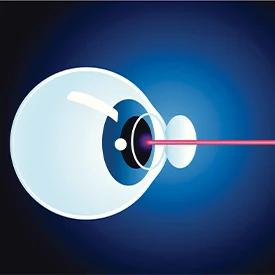
To begin the procedure, a local anesthetic will be used to numb the eye. You may be given mild sedation to help you feel more relaxed. Our eye surgeon will create small incisions to access the lens and use specialized instruments or a femtosecond laser to break up the cataract and remove it. A new, clear intraocular lens will then be positioned with the eye. A shield may be placed to cover your eye and protect it as it heals.
After your procedure, our team will provide you with post-treatment instructions. Eye drops may also be prescribed for you to use following your surgery. A follow-up appointment will likely be scheduled to allow your ophthalmologist to assess your healing. You will likely notice improved vision as your eye heals.
What Can I Expect After Cataract Surgery?
After cataract surgery, you can expect clearer vision within a few days as your eye heals. Some mild discomfort, light sensitivity, and blurry vision are normal at first but should improve quickly. We may prescribe eye drops to prevent infection and reduce inflammation. Most people can resume light activities within a day or two, but you should avoid heavy lifting, bending over, or rubbing your eye for a few weeks. Full recovery typically takes about a month, and follow-up visits will ensure your eye is healing properly. Many patients experience significantly improved vision and reduced dependence on glasses. We will provide aftercare instructions so you know what to expect.
Will Insurance Cover Cataract Surgery?
Many patients want to know what to expect when it comes to insurance coverage, and cataract surgery is typically considered a medically necessary procedure when vision is noticeably affected. Most insurance plans, including Medicare, often provide coverage for the surgical portion of treatment, as well as the standard monofocal lens option. If you are interested in advanced lens upgrades that offer additional visual benefits, these may involve an out-of-pocket cost. Our team can review your benefits, explain what your plan includes, and help you understand any potential expenses so you can move forward with clarity and confidence.
Cataract Surgery FAQ
How soon after cataract surgery will my vision improve?
Some patients experience vision improvements within 1 3 days; however, it typically can take up to three weeks for your vision to become restored. In some cases, it could take up to even 10 weeks for optimal results to be noticeable. We’ll provide you with specific post-op instructions to help you heal properly.
Will I need to attend follow-up appointments after traditional cataract surgery?
We will schedule follow-up appointments to review your healing progress. During these appointments, we may provide necessary care or prescription eye drops to enhance your healing process.
What should I not do after cataract surgery?
After your cataract treatment there are certain things you should avoid. We will go over this with you in detail. However, some common suggestions we make include:
- Do not put pressure on your eye for a week
- Don’t wear eye makeup, face cream, or lotion for up to two weeks
- Avoid bending or performing strenuous activities until cleared to do so
- Do not swim or use the hot tub for 1 2 weeks
- Wear sunglasses on bright days for the next year
Is cataract surgery painful?
No, cataract surgery is not considered painful. Before the procedure, we will administer numbing eye drops to ensure your comfort. At West County Ophthalmology, our team prioritizes a pain-free experience for all our patients.
How long does cataract surgery take?
The surgery itself is considered quick, typically lasting only 10-15 minutes per eye. However, you should plan to be at our Chesterfield or O’Fallon, MO, clinic for a few hours to allow for pre-operative preparation and post-operative recovery. Our staff will make sure you are comfortable throughout your visit.
Can I drive myself home after surgery?
No, you will not be able to drive yourself home after the procedure. You must arrange for a friend or family member to drive you home from our clinic. The team at West County Ophthalmology will confirm your transportation plans before your surgery day.
Improve Your vision with cataract surgery
The majority of patients diagnosed with cataracts are older, but certain lifestyle factors, such as smoking and alcohol consumption can accelerate the formation of cataracts. When left untreated, cataracts will likely continue to worsen and result in vision loss that can interfere with daily activities. Our ophthalmologists help restore and improve vision for patients with cataracts in Chesterfield and O’Fallon, MO. If you have cataracts and are searching for an experienced eye surgeon, please contact West County Ophthalmology to request a treatment consultation.