Retinal Vascular Occlusions in Chesterfield, MO
What is retinal vascular occlusion?
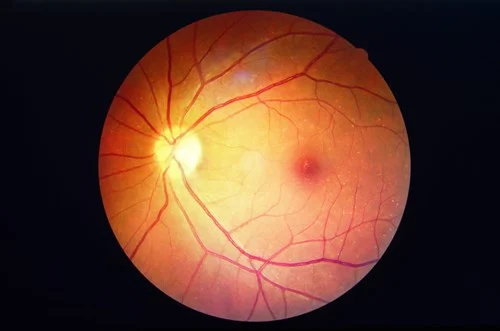
The retina, the light-sensitive tissue at the back of your eye, has a network of blood vessels that carry oxygen and nutrients to it. When a blood clot forms in one of these vessels, it is called a retinal vascular occlusion. Patients who have this condition may experience a sudden change in vision as the clot may create a build-up of fluid that prevents the retina from filtering light. Our comprehensive vision center, West County Ophthalmology, offers diagnosis and treatment options to help patients with retinal vascular occlusion. If you experience a sudden change in vision in Chesterfield or O’Fallon, MO, then contact our center right away.
What Are the Symptoms of Retinal Vascular Occlusions?
If you notice a sudden dimming, blurriness, or loss of vision in one eye, thats a red flag worth addressing immediately. Our vision professionals are on alert for these warning signs. Retinal vascular occlusion happens when a blood clot blocks the tiny vessels delivering oxygen to your retina. You might experience painless vision changes like:
- A sudden shadow or curtain coming across your field of vision
- Notable decrease in sharpness or clarity in part of your sight
- A washed-out or faded look to colors
Some patients even describe the experience as a fog descending over one eye. If any of these symptoms appear, especially out of the blue, our team is ready to respond quickly. Catching the condition early can make a big difference in preserving your sight.
What Causes Retinal Vascular Occlusions?
There are several factors that contribute to the development of retinal vascular occlusion. Common causes include high blood pressure, diabetes, glaucoma, and certain blood disorders that increase the likelihood of blood clots. Other risk factors may include smoking, high cholesterol levels, or a family history of vascular diseases. Age also plays a role, as this condition is more frequently seen in older adults. Its important to address these underlying health issues to reduce your risk of retinal vascular occlusion and other vascular complications.
How is retinal vascular occlusion treated?
Our center offers several different laser treatments that help retinal vascular occlusion, including focal laser treatment, grid laser treatment, and panretinal photocoagulation. After a comprehensive exam, we can help you decide which treatment option is right for you. In these procedures, a targeted laser is used to destroy or seal abnormal blood vessels in the retina. While this may not fix changes to your vision, it can help prevent more damage from occurring. These treatments can also be used to address diabetic retinopathy and macular edema. In order to preserve and prevent further damage to vision, it is essential that you receive treatment as soon as possible.
Treatment for blood clots on the retina
West County Ophthalmology works to ensure all of our patients have access to comprehensive vision care that helps diagnose and prevent vision loss from conditions like retinal vascular occlusion. If you have noticed a change in your vision, including vision loss or blurriness in your central vision, contact one of our facilities right away to schedule a comprehensive exam.
Retinal Vascular Oclusions FAQ
Can retinal vascular occlusions be prevented?
While not all cases can be prevented, managing risk factors is crucial. Maintaining a healthy lifestyle, controlling blood pressure and blood sugar levels, and regular eye exams can help reduce the risk of developing retinal vascular occlusions.
How often should I get my eyes checked if I have risk factors for retinal vascular occlusions?
If you have risk factors such as high blood pressure, diabetes, or high cholesterol, it is important to have regular eye exams. Your eye doctor can recommend a schedule based on your individual risk and overall eye health, typically every 6 12 months.
Can retinal vascular occlusions lead to other complications?
Yes, retinal vascular occlusions can lead to complications such as macular edema, which can further impair vision, or retinal neovascularization, where new, abnormal blood vessels form and potentially cause additional damage.